
Are you contemplating a timber window replacement for your home? If so, it’s essential to consider not only the practical aspects but also the aesthetic and long-term benefits of your choice. Timber windows, known for their timeless beauty and classic charm, have been a popular choice for many homeowners.
However, they also come with a set of challenges that can affect both the functionality and value of your home. These challenges include the need for regular maintenance, potential energy efficiency issues, limited noise reduction capabilities, and security concerns. If not properly maintained, timber windows can potentially devalue your property, as prospective buyers may view the need for immediate timber window replacement and extensive maintenance as a drawback, impacting the overall market appeal.
While timber windows undeniably have a classic and charming appeal, it’s important to weigh the disadvantages and potential impact on your home’s functionality and value. Suppose you’re looking to maintain the aesthetic qualities of timber without the associated challenges. In that case, you may also explore alternative window solutions which offer a compromise between the traditional look of timber and the benefits of modern construction materials, providing an attractive and functional solution to homeowners. Ultimately, the choice of windows should align with your preferences, budget, and long-term goals for your home.
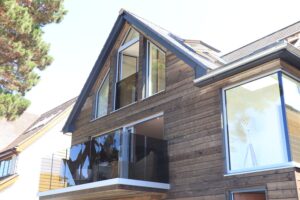
Alternatives to Timber Windows
When considering alternatives to timber windows, you have several options, each with advantages and disadvantages. Here are some common alternatives to timber windows:
uPVC Windows
uPVC windows are a popular choice for their affordability and low maintenance. They are high quality, durable, weather-resistant, and available in various styles and finishes. While they may lack the natural beauty of timber window frames, they are energy-efficient and require minimal upkeep.
Aluminum Windows
Aluminium windows are known for their strength and durability. They are lightweight, slim-profile, and resistant to corrosion. They are often used in modern and industrial-style buildings, offering a sleek and contemporary look. However, aluminium can conduct heat, potentially impacting its energy efficiency.
Composite Windows
Composite windows combine different materials to leverage their strengths. For example, Residence 9 windows are a type of composite window that replicates the appearance of traditional timber windows while providing modern performance benefits. They are known for their authenticity and energy efficiency.
Fibreglass Windows
Fibreglass windows are cost effective, durable, low-maintenance, and energy-efficient. They are resistant to warping, cracking, and rotting, making them a suitable alternative to timber. Fibreglass windows can be customised to mimic the look of wood grain for a more traditional aesthetic.
Vinyl Windows
Vinyl windows, like uPVC, are budget-friendly and low-maintenance. They are known for their energy efficiency and come in various styles and colours. While they may not have the natural appeal of timber, they can be a practical choice for those on a tight budget.
Wood-Clad Windows
Wood-clad windows combine the beauty of timber on the interior with a protective exterior layer of another material, such as aluminium or vinyl. This combination offers the warmth and aesthetics of wood indoors while providing enhanced weather resistance on the exterior.
Steel Windows
Steel windows are known for their strength and slender profiles. They are often used in contemporary or industrial designs, offering a minimalist and elegant appearance. However, steel can conduct heat, which may affect their energy efficiency.
The Benefits of Replacing Timber Windows
1. Less Maintenance
One of the primary benefits of replacing timber windows is the reduction in maintenance tasks. Timber windows demand regular attention, including painting or staining to protect them from the elements. In contrast, modern window materials such as uPVC, fibreglass, or aluminium require minimal maintenance. This means less time spent on upkeep and more time to enjoy your home.
2. Improved Energy Efficiency
Upgrading to high performance double glazing energy-efficient windows is a significant step in reducing your energy consumption and utility bills. Timber windows can become less efficient over time as they age and wear.
Replacing your wooden windows with newer, energy-efficient alternatives can help maintain a consistent indoor temperature, reduce drafts, and decrease the load on your heating and cooling systems.
3. Noise Reduction
If you live in a noisy area or simply want a quieter home environment, replacing timber windows can make a substantial difference. Many modern windows are designed with noise reduction in mind. Their advanced construction materials and techniques can help keep unwanted external noise outside, providing you with a peaceful and comfortable living space.
4. Enhanced Security
Security is a paramount concern for homeowners, and your choice of windows can play a crucial role in safeguarding your property. Modern windows often come equipped with advanced locking mechanisms and shatter-resistant glass options, providing enhanced security compared to older timber windows. You can have peace of mind knowing that your home is well-protected.
5. Heat Retention
Maintaining a comfortable indoor temperature is not only about energy efficiency but also about your overall comfort. Modern windows with advanced insulation properties can help retain heat during the colder months, ensuring that your home remains warm and cosy. This can lead to reduced energy bills and a more pleasant living environment.
6. Aesthetic Appeal
While the benefits of replacing timber windows are primarily functional, you don’t have to sacrifice aesthetics. Many modern window materials come in various styles and finishes to suit your design preferences. Whether you prefer a classic or contemporary look, you can find windows that enhance your home’s curb appeal and interior aesthetics.
7. Increased Property Value
Upgrading your windows can boost the value of your home by 10%. Potential buyers appreciate the advantages of modern, low-maintenance, and energy-efficient windows. This can make your property more appealing on the market and lead to a higher resale value when the time comes to sell your home.
Replacing timber windows with modern alternatives offers a range of benefits that can enhance your home in multiple ways. From reduced maintenance and improved energy efficiency to noise reduction, enhanced security, and increased property value, the advantages are clear.
When considering replacing your existing windows, take the time to explore the various options available and select the one that best aligns with your needs and preferences. Your home will not only look better but also provide a more comfortable and efficient living environment for years to come.
To enquire about a timber window replacement, get in touch today.
About the Author

Harry Fowler
Sales ExecutiveI joined BJH in early 2021. I joined with a corporate background having achieved a 1st Class Honours in Business Finance and Management at university. I’d had enough of the impersonal nature of the roles within large banks and decided it was time for a change. It was the best decision I have ever made. As part of the sales team, one day on the job is never the same as another. From handling enquiries, designing new plans, surveying, ordering and installation, I am involved in every step of the customer’s experience and it is fantastic meeting new people every day. BJH have put me through various training courses and along with industrial experience I am a fully qualified FENSA Surveyor.
